
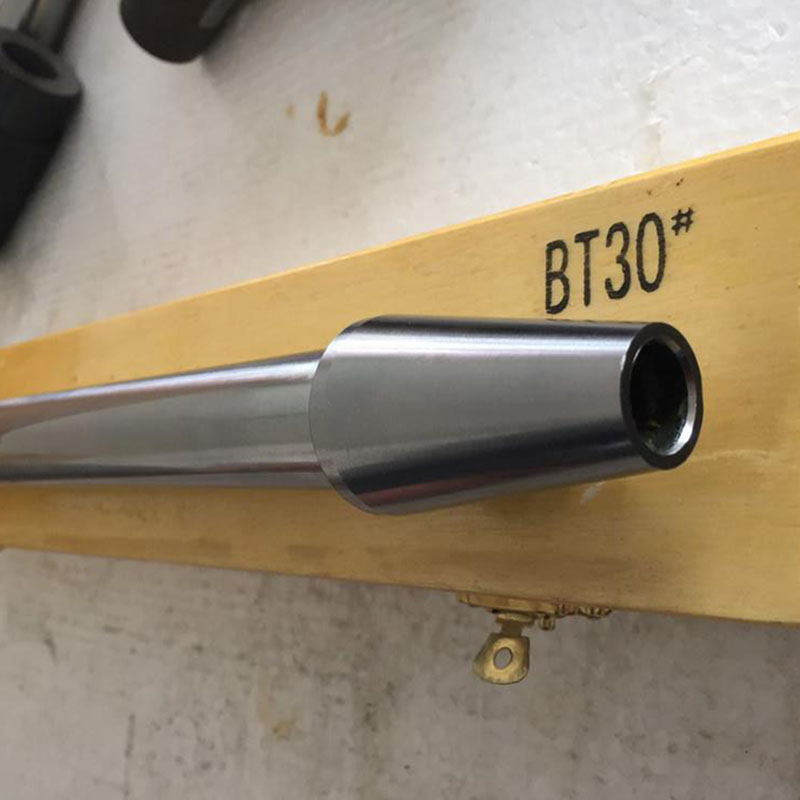
custom glass panels
Understanding Vibration Pad Manufacturers Key Insights and Considerations In today's industrial landscape, vibrations are an ever-present factor that can lead to numerous issues, including machinery wear, noise pollution, and structural damage. As a result, vibration isolation and control have become essential practices across various sectors. Vibration pads play a crucial role in mitigating these issues, and understanding the role of vibration pad manufacturers is vital for businesses aiming to maintain operational integrity and efficiency. The Importance of Vibration Pads Vibration pads are engineered materials designed to absorb and reduce vibrations produced by machinery, vehicles, and other sources. These pads can be made from several materials, including rubber, neoprene, and foam, each chosen for their specific damping properties. By installing vibration pads, companies can protect sensitive equipment, improve comfort in living and working environments, and reduce noise levels, ultimately leading to enhanced productivity and safety. Types of Vibration Pads Manufacturers offer a range of vibration pad types, each tailored for specific applications. Industrial vibration pads are heavier-duty options designed for larger machinery, while those used in residential settings are typically lighter and more discreet. Some common types of vibration pads include 1. Rubber Vibration Pads Known for their excellent shock absorption capabilities, rubber pads are widely used in industrial settings for machines like compressors and generators. 2. Polyurethane Pads These pads provide a balance of durability and flexibility, making them suitable for medium-duty applications. 3. Neoprene Pads Resistant to oil and chemical exposure, neoprene pads are ideal for environments where such substances are prevalent. 4. Foam Pads Often used in home applications such as under appliances and furniture, foam pads offer good sound absorption alongside vibration control. Choosing the Right Manufacturer vibration pad manufacturer Selecting a reliable vibration pad manufacturer is critical for ensuring product quality and effectiveness . Here are some factors to consider when evaluating potential suppliers 1. Material Quality The best manufacturers utilize high-quality materials that meet industry standards. This ensures that the pads will withstand environmental factors and provide long-lasting performance. 2. Customization Options Some projects may require pads with specific dimensions, load capacities, or damping characteristics. A manufacturer that offers customization options can provide a tailored solution that meets unique operational needs. 3. Experience and Reputation Manufacturers with a long history in the industry are often more reliable. Look for customer reviews, case studies, and testimonials to gauge the manufacturer’s reputation. 4. Technical Support A manufacturer that provides comprehensive technical support can be invaluable, helping clients choose the right products and offering guidance on installation. 5. Certifications Relevant certifications can indicate a manufacturer’s commitment to quality and compliance with safety standards. The Role of Innovation Innovation is key in the vibration isolation industry. Leading manufacturers invest in research and development to enhance the efficacy of their products. New materials and technologies are continually being developed to improve vibration dampening, durability, and environmental sustainability. As industries evolve, manufacturers that stay ahead of trends tend to deliver more effective and innovative solutions. Conclusion In summary, vibration pads are indispensable in maintaining the integrity of machinery and user comfort across various applications. Choosing the right vibration pad manufacturer can significantly impact the success of vibration isolation strategies. By considering quality, customization, experience, and innovation, businesses can forge strong partnerships with manufacturers that help them meet their operational goals while ensuring safety and efficiency. As the demand for effective vibration control continues to grow, the role of these manufacturers will become even more critical in providing solutions that enhance industrial performance and improve quality of life.
about
custom glass panels
The small hole gauge is a precision measurement tool used for accurately sizing small holes in various industrial applications. It is a versatile and reliable instrument that is essential for ensuring precision and accuracy in the manufacturing process. The small hole gauge consists of a handle, a measuring head, and a set of blades or pins that can be adjusted to fit different hole sizes. The measuring head is inserted into the hole, and the blades or pins are expanded until they make contact with the walls of the hole. By tightening a screw on the handle, the blades or pins are locked into place, allowing for an accurate measurement of the hole diameter. One of the key advantages of the small hole gauge is its ability to measure the diameter of small holes with great precision. This is crucial in industries where tight tolerances are required, such as aerospace, automotive, and medical device manufacturing . The small hole gauge allows manufacturers to ensure that holes are drilled or machined to the correct size, which is essential for the proper functioning of the finished product. small hole gauge Another advantage of the small hole gauge is its ease of use. The gauge is simple to operate, with clear markings and a straightforward design that allows for quick and accurate measurements. This makes it a valuable tool for machinists, toolmakers, and quality control inspectors who need to measure small holes on a regular basis. In addition to its precision and ease of use, the small hole gauge is also highly durable and long-lasting. Made from high-quality materials such as hardened steel or tungsten carbide, the gauge is built to withstand the rigors of industrial use. With proper care and maintenance, a small hole gauge can provide accurate measurements for many years, making it a cost-effective investment for manufacturers. Overall, the small hole gauge is an essential tool for anyone working with small holes in a manufacturing setting. Its precision, ease of use, and durability make it a valuable asset for ensuring quality and accuracy in the production process. Whether measuring holes in metal, plastic, or other materials, the small hole gauge provides reliable and consistent results that help manufacturers meet their quality standards and produce high-quality products.
-

High quality industrial productsagement

High quality industrial products
View Details -

Meet the diverse needs of customers

Meet the diverse needs of customers
View Details -

Strict quality control

Strict quality control
View Details -

Top raw materials

Top raw materials
View Details -

Trusted supplier

Trusted supplier
View Details
Our application
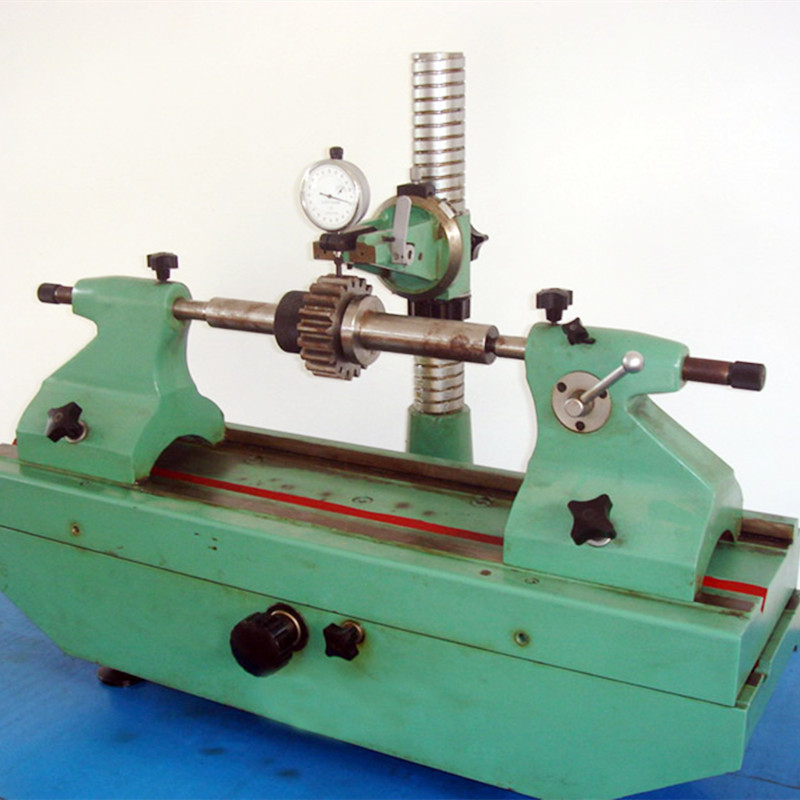


news and information
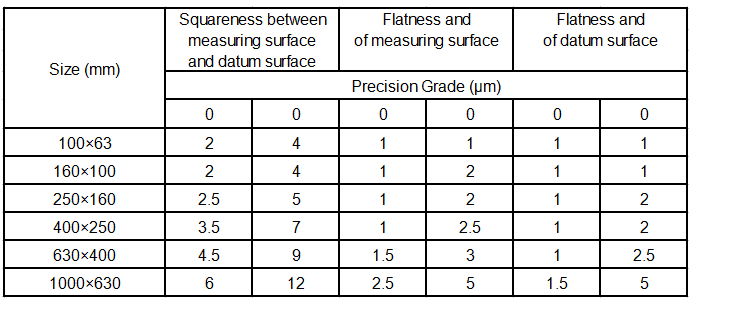
welding table workbench
The Essential Guide to Welding Tables and Workbenches Welding tables and workbenches are vital tools
vertical y strainer
Vertical Y strainers are an indispensable component in the fluid processing and piping systems used

Verificación de roscas con calibres Go y No Go en mediciones de calidad
Uso de calibres de rosca tipo Go y No-Go en la industria En la fabricación y mantenimiento de compon
 English